
0
How Mimosa Hostilis Supports Sustainable Agriculture & Soil Health
Mimosa Hostilis
As the global demand for sustainable farming grows, natural plant species are becoming increasingly valuable for environmental restoration. Among these, Mimosa hostilis—also known as Mimosa tenuiflora or Jurema Preta—stands out as a remarkable ally in the effort to rebuild soil health, prevent erosion, and promote eco-friendly agriculture. While many people recognize this plant for its traditional or cosmetic uses, its environmental benefits are equally impressive and essential for today’s ecological challenges.
In this article, we explore how Mimosa hostilis supports sustainable agriculture, improves degraded landscapes, and strengthens soil fertility—making it a powerful resource for environmental conservation.
1. A Resilient Plant with Regenerative Abilities
One of the most unique features of Mimosa hostilis is its extraordinary resilience. Native to dry regions of Mexico and Brazil, the tree thrives in harsh climates with poor soil, minimal rainfall, and intense heat.
What makes it exceptional is its ability to regrow quickly after fire, natural disasters, or environmental stress. This regenerative capability makes the tree invaluable in regions undergoing reforestation or soil rehabilitation, as it acts as a natural pioneer species—the first to grow on severely damaged land.
Its fast growth helps stabilize the landscape and create shade, moisture, and micro-habitats that support the return of other plant species.

2. Natural Nitrogen Fixation: Improving Soil Fertility
Mimosa hostilis belongs to the Fabaceae (legume) family, meaning it has a special relationship with nitrogen-fixing bacteria found in its roots. These bacteria convert atmospheric nitrogen into nutrients that enrich the soil.
Benefits of nitrogen fixation
- Restores essential nutrients to depleted soil
- Supports the growth of nearby crops and native vegetation
- Reduces the need for chemical fertilizers
- Promotes long-term agricultural sustainability
Farmers and ecological restoration programs often incorporate nitrogen-fixing plants like Mimosa hostilis to naturally improve soil fertility without relying on synthetic chemicals.
3. Effective Erosion Control Thanks to a Strong Root System
Erosion is one of the most serious threats to agriculture and natural ecosystems, especially in dry and semi-arid areas. Mimosa hostilis plays a crucial role in preventing erosion due to its robust and far-reaching root system.
How Mimosa hostilis prevents erosion:
- Anchors soil in place and prevents wind erosion
- Stabilizes loose hillsides and slopes
- Protects riverbanks and flood-prone areas
- Improves water retention in the soil
Because the tree can thrive in sandy, rocky, and nutrient-poor areas, it is often used to prevent desertification and reclaim barren land.
4. A Natural Solution for Land Rehabilitation and Reforestation
Environmental restoration projects across Mexico and Brazil frequently rely on Mimosa hostilis to rehabilitate degraded landscapes. Its fast growth and ability to improve soil quality make it a perfect “starter species.”
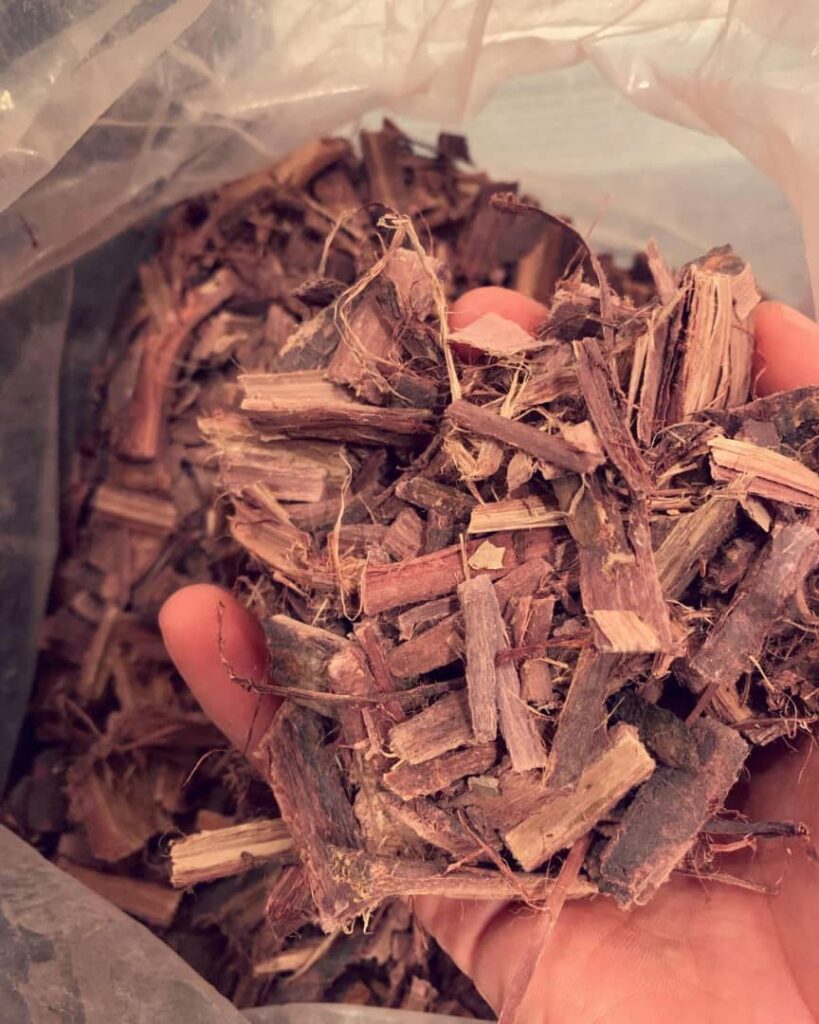
Key benefits for land rehabilitation:
- Encourages the return of biodiversity
- Helps create shade and microclimates
- Increases soil carbon content
- Supports the growth of grasses, shrubs, and other trees
In many regions, Mimosa hostilis is planted as part of regenerative agriculture, which focuses on rebuilding soil organic matter and restoring ecosystems through natural processes.
5. Supporting Local Farmers & Sustainable Harvesting
Ethical harvesting of Mimosa hostilis can support rural communities while maintaining ecological balance. In many places, communities rely on this tree for income from natural products such as:
- Sustainable bark harvesting
- Natural dye materials
- Organic cosmetics
- Soil restoration programs
- Reforestation seedlings
By promoting responsible and sustainable harvesting, farmers can protect the environment while preserving traditional knowledge and economic stability.
6. Climate Adaptability and Carbon Sequestration
Another significant sustainability advantage of Mimosa hostilis is its ability to sequester carbon, helping reduce greenhouse gases in the atmosphere.
Its strengths include:
- Fast-growing wood that captures carbon quickly
- Thick bark that stores high carbon levels
- Adaptability to drought, reducing irrigation needs
This makes Mimosa hostilis an excellent option for climate-friendly agriculture and forest restoration projects.
7. A Green Resource for the Future
Mimosa hostilis plays a vital role in the movement toward eco-friendly agriculture, sustainable land management, and environmental regeneration. Its ability to restore soil, prevent erosion, support biodiversity, and thrive in challenging environments makes it a powerful natural asset.
As the world prioritizes sustainability, plants like Mimosa hostilis will become increasingly important—not only for environmental health but also for supporting ethical industries and rural communities.
Conclusion
Mimosa hostilis is far more than just a versatile plant—it is a key contributor to ecological restoration and sustainable agriculture. Its nitrogen-fixing roots, erosion control capabilities, environmental resilience, and economic importance make it an invaluable resource for a greener, healthier, and more regenerative future.
For environmentally conscious consumers, farmers, and businesses, Mimosa hostilis represents a beautiful example of how nature provides the tools we need to rebuild and protect our planet.