
0
Mimosa Hostilis – Origins, Uses & Natural Benefits Explained in 2025
Mimosa hostilis (also known as Mimosa tenuiflora or Jurema) is a resilient, fast-growing tree native to Brazil and Mexico. For centuries, it has been valued for its cultural significance, restorative properties, and impressive ability to thrive in harsh climates. Today, interest in mimosa hostilis continues to rise—not for trends, but for its practical applications in natural dyeing, skincare, and soil regeneration.
In 2025, researchers, herbalists, and eco-focused industries are taking a closer look at mimosa hostilis as a sustainable botanical with long-lasting benefits.
What Makes Mimosa Hostilis Unique?
Mimosa hostilis stands out thanks to its combination of durability and bioactive compounds. Its deep root system allows it to survive droughts and restore soil, making it valuable in reforestation projects.
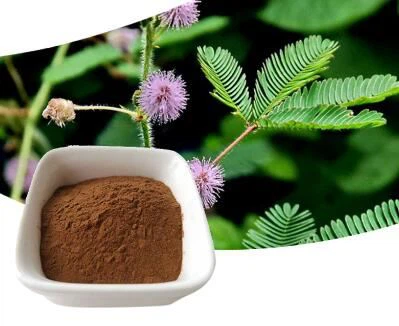
Key characteristics include:
- Naturally antimicrobial properties
- High tannin content in the bark
- Rapid regrowth after wildfires
- Ability to improve degraded land
Because of these traits, the plant has become a symbol of resilience in regions prone to environmental damage.
Traditional and Historical Background
For generations, indigenous communities in northeastern Brazil have used mimosa hostilis for:
- Skin and wound care
- Natural fabric coloring
- Cultural and ceremonial practices
Its powdered bark was traditionally applied to support skin healing, reduce irritation, and protect against environmental exposure. These uses remain part of the plant’s identity today, although modern applications are more regulated and research-based.
Modern Uses of Mimosa Hostilis in 2025
1. Natural Dyeing
The powdered root bark produces a rich, long-lasting purple-to-brown dye, commonly used for:
- Wool
- Cotton
- Leather
- Natural textiles
It is prized by eco-friendly artists and small-batch clothing makers for its strong color retention without synthetic chemicals.
2. Skincare and Topical Formulas
In non-ingestible products, mimosa hostilis may be found in:
- Natural soaps
- Balms
- Cleansing bars
Its tannins and soothing properties make it appealing in formulations designed for:
- Skin protection
- Minor irritation relief
- Gentle cleansing
Always check regulations and patch-test skincare products containing plant extracts.
3. Soil Restoration & Agriculture
Mimosa hostilis helps revive damaged land due to:
- Nitrogen-fixing ability
- Deep rooting structure
- Rapid regrowth
This makes it useful in reforestation, erosion control, and regenerative farming programs across dry regions.
Safety, Legality & Responsible Use
While the plant has historical significance, regulations vary depending on the country and product type. To remain compliant:
- Purchase only from legal, ethical suppliers
- Use mimosa hostilis only in approved applications
- Avoid unverified processing or chemical extraction methods
- Check import and plant-material regulations in your region
Responsible sourcing protects ecosystems and respects cultural origins.